
By Will Giminaro
Sean Baker’s Anora is a cinematic triumph, a testament to his rare ability to tell deeply human stories with raw, unvarnished authenticity. From the very first frame, it’s clear that Baker’s vision is both intimate and unflinching, inviting us into a world as vibrant as it is precarious. But Anora is more than a film—it’s an experience that lingers, each scene etching itself into your memory with quiet ferocity.
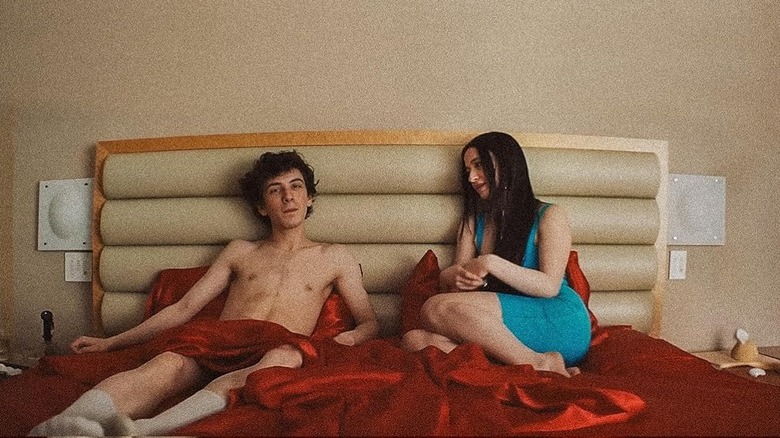
The tonal shift from hedonistic comedy to tension-filled drama is handled with masterful precision. It’s a transformation so seamless you barely feel it happening, yet when it does, it’s undeniable. The carefree pulse of the film’s first half—its playful indulgence in the couple’s reckless, freewheeling antics—gives way to a suffocating intensity. Baker’s control of pace and tone is surgical, each scene loaded with purpose, every breath, pause, and glance imbued with weight. The mood turns like a tide, pulling you into deeper, murkier waters.
At the heart of it all is Mikey Madison’s career-defining performance as Ani. Her portrayal is electric, raw, and achingly real—every look, every moment of hesitation, every burst of resolve feels lived-in and deeply earned. Madison’s Ani is a character of contradictions: fierce yet fragile, disillusioned yet hopeful, and it’s that complexity that makes her so compelling. She doesn’t just play Ani; she becomes her, her every move thrumming with unspoken backstory. It’s a performance that leaves you breathless, clutching at your chest as you watch her fight for autonomy in a world that’s constantly trying to box her in.
The Safdie brothers’ brand of chaotic energy is often cited in comparisons, and while there’s truth to that, it’s only half the story. Baker’s approach is different—more grounded, more empathetic. Where the Safdies’ films can feel like adrenaline-fueled panic attacks, Baker’s storytelling is quieter but no less urgent. He doesn’t just throw his characters into the storm; he lets us feel every drop of rain with them. His commitment to showcasing marginalized voices without condescension is one of his greatest strengths. The people in his films are never flattened into archetypes or vessels for moralizing. They’re messy, flawed, and achingly human—just like us.
The film’s title, Anora, takes on a deeper resonance as the story unfolds. It’s not just a name—it’s a heartbeat, a symbol of something fragile but enduring. Baker’s direction ensures that every inch of Ani’s world feels real: the cramped apartments, the flicker of neon signs, the late-night quiet that’s somehow louder than a crowded street. These details aren’t just aesthetic choices—they’re emotional textures, elements that immerse you so fully that you’ll swear you’ve been there before.
Anora is vibrant, messy, and unforgettable. It’s a film that doesn’t just ask you to watch—it demands that you feel. Long after the credits roll, Ani’s struggle for self-determination will echo in your mind. Her fight isn’t just hers; it’s ours. It’s the fight to be seen, to be heard, to exist on one’s own terms. That’s the kind of story that doesn’t fade with time. It’s the kind that stays with you, growing roots in the quiet spaces of your mind. Anora doesn’t end when you leave the theater—it’s still with you on the train ride home, in the silence of your bedroom, in the moments when you’re most alone with your thoughts.
This is what great cinema does. It doesn’t let you go.

 newjerseyinstituteoffilm.com